AI Isn’t All It’s Cracked Up to Be
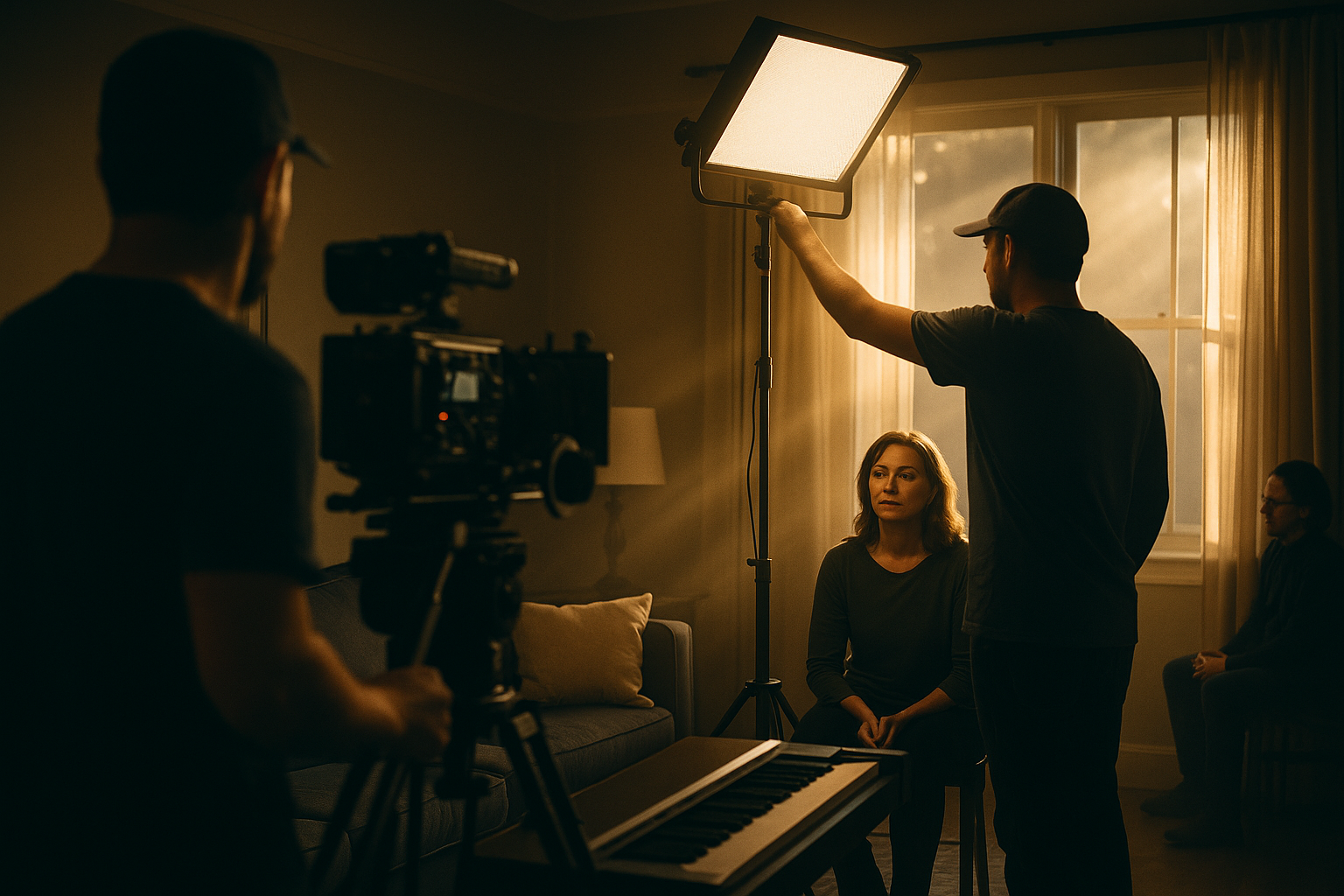
When I first looked at the image, I was impressed.
The lighting looked believable.
The composition was good.
At a glance, it could almost pass for a real photograph.
Almost.
The longer I looked, the more I noticed the little things.
A hand that didn't quite make sense.
Light that felt just a little too perfect.
Expressions that looked convincing but somehow lacked life.
It wasn't one obvious mistake.
It was a hundred tiny ones.
That's the strange thing about AI-generated images.
They often look right.
But they rarely feel right.
As photographers, we spend years learning things that are almost impossible to explain.
How light changes a face in the last few minutes before sunset.
How a crowd moves before something interesting happens.
How to wait instead of rushing.
Most of that isn't technical.
It's instinct.
It's experience.
It's being present.
AI can study millions of photographs.
What it can't do is stand beside a fisherman at sunrise, feel the salt air or decide to wait another thirty seconds because something tells you the real photograph hasn't happened yet.
That's the part of photography that has nothing to do with cameras.
I use AI almost every day.
It's brilliant for research.
For organising ideas.
For helping untangle thoughts that are still finding their shape.
It's become another tool in the workflow.
But I don't confuse the tool with the craft.
Photography has never been about producing pictures.
It's about witnessing moments.
The camera simply records what we've already seen.
The photographs I value most aren't technically perfect.
Some have soft focus.
Some have awkward framing.
Some would probably fail every online photography critique.
But they're real.
I remember the conversation before the shutter was pressed.
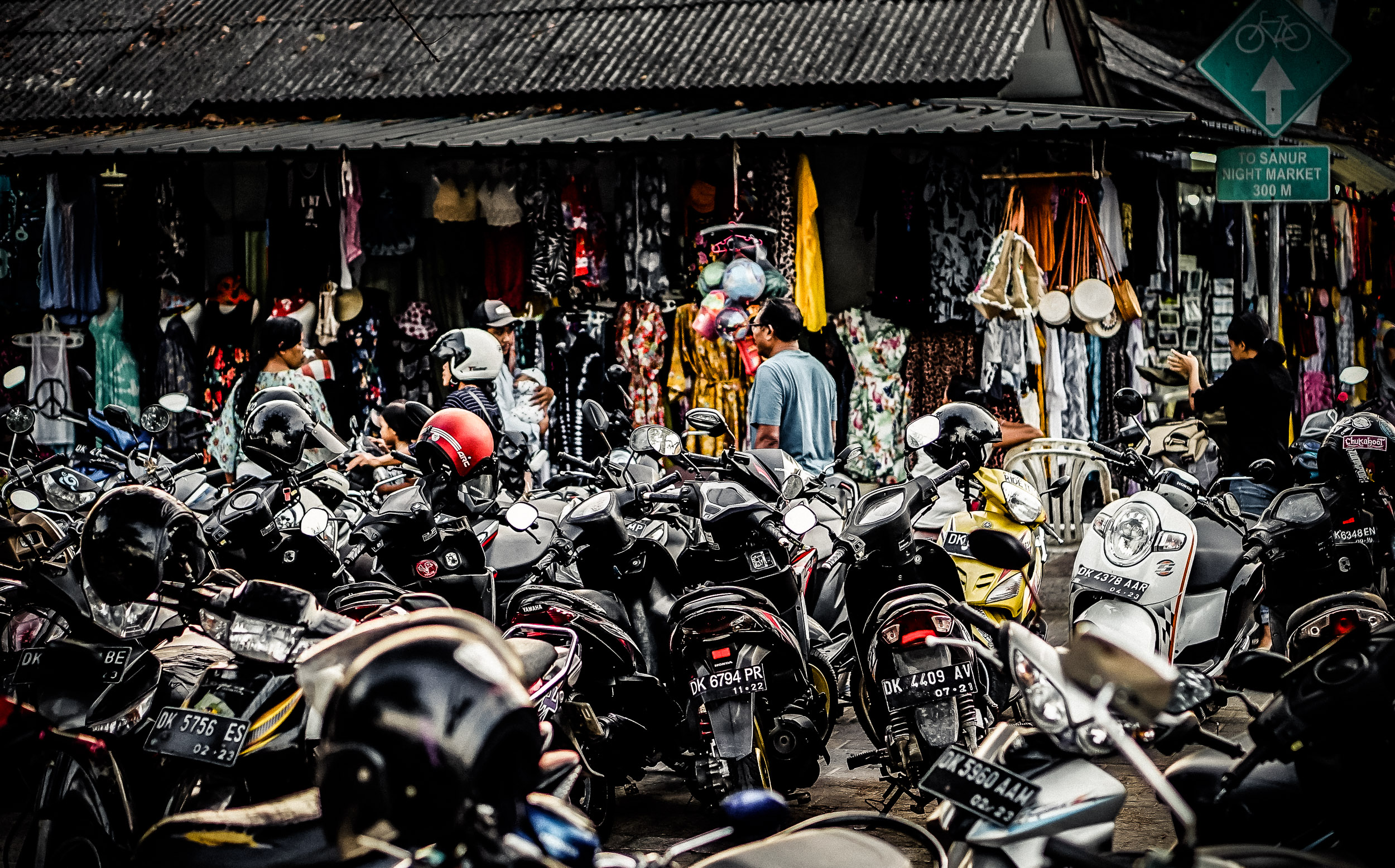
I remember the smell of the market.
The sound of traffic.
The heat.
The silence.
Those memories are part of the photograph, even if nobody else can see them.
AI can't create that.
Because it was never there.
Perhaps that's what worries me least about artificial intelligence.
Not that it can make beautiful images.
But that we'll start confusing beautiful images with meaningful photographs.
They're not the same thing.
One is generated.
The other is lived.
I'll keep using AI where it genuinely helps.
It saves time.
It sparks ideas.
It solves problems.
But when it comes to creating photographs that mean something...
I still believe the most important ingredient isn't artificial intelligence.
It's human presence.
Because AI can generate an image.
It can't stand in the rain.
It can't wait for the light.
It can't share a conversation with a stranger.
And it can't feel the quiet satisfaction that comes from knowing...
"I was there."
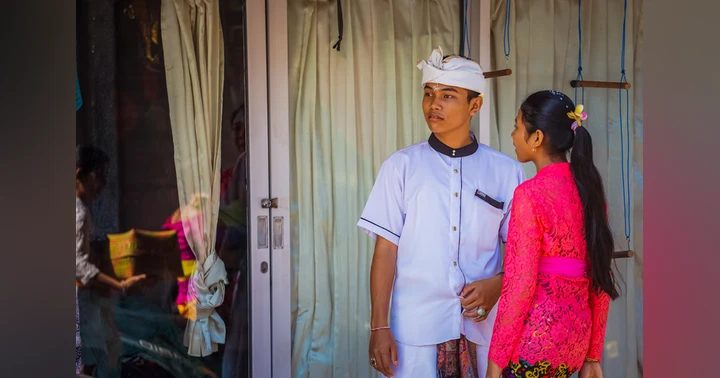
Why Bali Still Matters to Me